
Adventure Journal Entry Date: July 2012 (More)
I was recently presenting to a_small.jpg) group of Alabama teachers when I asked for suggestions for family
destinations in their fine state. Numerous educators suggested Noccalula Falls
in Gadsden, so I began researching and making plans immediately. The legend is
that a Cherokee chieftain promised the hand of his daughter, Noccalula, to a
Creek sub-chief in exchange for peace. The young princess was so distraught, she
flung herself off the falls and to her death 90 feet below. We enjoy Native
American history and legend, but frankly, it was the rest of the park that
really got my attention.
group of Alabama teachers when I asked for suggestions for family
destinations in their fine state. Numerous educators suggested Noccalula Falls
in Gadsden, so I began researching and making plans immediately. The legend is
that a Cherokee chieftain promised the hand of his daughter, Noccalula, to a
Creek sub-chief in exchange for peace. The young princess was so distraught, she
flung herself off the falls and to her death 90 feet below. We enjoy Native
American history and legend, but frankly, it was the rest of the park that
really got my attention.
Gadsden is a relatively short drive for us, so it worked out to be a great weekend getaway. We left mid afternoon on a Friday and arrived at the Noccalula Falls campground in plenty of time for the kids to enjoy the pool_small.jpg) and the walk to the park's playground and falls. The campsite I selected turned out to be perfectly level, so setup
was a breeze. We got a little rain through the night, but no storms. Nothing is
more relaxing than a light rain on a camper's roof.
and the walk to the park's playground and falls. The campsite I selected turned out to be perfectly level, so setup
was a breeze. We got a little rain through the night, but no storms. Nothing is
more relaxing than a light rain on a camper's roof.
I was recently presenting to a
.jpg) group of Alabama teachers when I asked for suggestions for family
destinations in their fine state. Numerous educators suggested Noccalula Falls
in Gadsden, so I began researching and making plans immediately. The legend is
that a Cherokee chieftain promised the hand of his daughter, Noccalula, to a
Creek sub-chief in exchange for peace. The young princess was so distraught, she
flung herself off the falls and to her death 90 feet below. We enjoy Native
American history and legend, but frankly, it was the rest of the park that
really got my attention.
group of Alabama teachers when I asked for suggestions for family
destinations in their fine state. Numerous educators suggested Noccalula Falls
in Gadsden, so I began researching and making plans immediately. The legend is
that a Cherokee chieftain promised the hand of his daughter, Noccalula, to a
Creek sub-chief in exchange for peace. The young princess was so distraught, she
flung herself off the falls and to her death 90 feet below. We enjoy Native
American history and legend, but frankly, it was the rest of the park that
really got my attention. Gadsden is a relatively short drive for us, so it worked out to be a great weekend getaway. We left mid afternoon on a Friday and arrived at the Noccalula Falls campground in plenty of time for the kids to enjoy the pool
.jpg) and the walk to the park's playground and falls. The campsite I selected turned out to be perfectly level, so setup
was a breeze. We got a little rain through the night, but no storms. Nothing is
more relaxing than a light rain on a camper's roof.
and the walk to the park's playground and falls. The campsite I selected turned out to be perfectly level, so setup
was a breeze. We got a little rain through the night, but no storms. Nothing is
more relaxing than a light rain on a camper's roof.
The rain continued until mid-morning Saturday, so
we had a slow lazy start for the day. When the skies cleared, we headed-out for
Noccalula Falls Park. It's a quarter-mile walk, but easy and extremely scenic.
From the campground, we walked along a pathway that winds through the public
access area, past the wedding chapel, and over a little arched bridge which
crosses the stream feeding the waterfalls. The flow of the water affects the
beauty of the falls,_small.jpg) and on this visit there was some water, but nothing spectacular. If
you'd like to see it really roaring, watch this video. Past the falls we
could see the scale train and some Teepees.
and on this visit there was some water, but nothing spectacular. If
you'd like to see it really roaring, watch this video. Past the falls we
could see the scale train and some Teepees.
.jpg) and on this visit there was some water, but nothing spectacular. If
you'd like to see it really roaring, watch this video. Past the falls we
could see the scale train and some Teepees.
and on this visit there was some water, but nothing spectacular. If
you'd like to see it really roaring, watch this video. Past the falls we
could see the scale train and some Teepees.
After paying our admission to the park (which was
very reasonable), we boarded the train. It's a small scale train, and the kids
loved it. Our first stop was the "petting zoo." We love animals, so this was the
highlight of the park. They have a lion that seemed particularly interested in
Heath. No, you can't pet the lion. The actual petting zoo area had alpaca,
goats, a big ram, lambs, a variety of goats, rabbits, and many other cute
fuzzies. Our favorite was a very friendly buck that loved attention and liked to
lick the kids' hands.
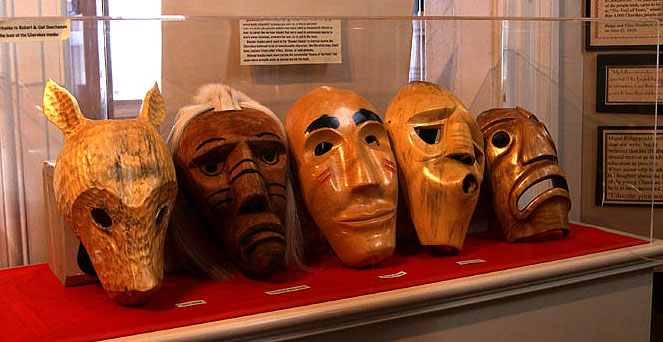
We wandered through all the old building and tried to imagine what it was_small.jpg) like to live in one of these old cabins 200 years ago, especially
with no air-conditioning. This part of the park features
a very old covered bridge that crosses a coy pond. The fish were massive,
inducing ooohs and ahhhs from all of us. Just past the impressive collection of
historic buildings is the access to the base of the falls. We decided on this
hot humid day, that the view from the top of the falls would be just fine. We
did explore the cracks and crevices in the limestone formations. It reminded us
of Rock
Town near Lafayette, Georgia.
like to live in one of these old cabins 200 years ago, especially
with no air-conditioning. This part of the park features
a very old covered bridge that crosses a coy pond. The fish were massive,
inducing ooohs and ahhhs from all of us. Just past the impressive collection of
historic buildings is the access to the base of the falls. We decided on this
hot humid day, that the view from the top of the falls would be just fine. We
did explore the cracks and crevices in the limestone formations. It reminded us
of Rock
Town near Lafayette, Georgia.
We wandered through all the old building and tried to imagine what it was
.jpg) like to live in one of these old cabins 200 years ago, especially
with no air-conditioning. This part of the park features
a very old covered bridge that crosses a coy pond. The fish were massive,
inducing ooohs and ahhhs from all of us. Just past the impressive collection of
historic buildings is the access to the base of the falls. We decided on this
hot humid day, that the view from the top of the falls would be just fine. We
did explore the cracks and crevices in the limestone formations. It reminded us
of Rock
Town near Lafayette, Georgia.
like to live in one of these old cabins 200 years ago, especially
with no air-conditioning. This part of the park features
a very old covered bridge that crosses a coy pond. The fish were massive,
inducing ooohs and ahhhs from all of us. Just past the impressive collection of
historic buildings is the access to the base of the falls. We decided on this
hot humid day, that the view from the top of the falls would be just fine. We
did explore the cracks and crevices in the limestone formations. It reminded us
of Rock
Town near Lafayette, Georgia.
After lunch at the resident Jack's restaurant, we
walked to the Noccalula _small.jpg) Falls miniature golf course. Most people suggested we drive, but we
could see it from where we were. It was a whopping 1/8 mile. We were
disappointed when we discovered that the cost of miniature golf wasn't included
in the park's admission. Any disappointment quickly vanished when we saw the
course. Very very nice! The course was designed and constructed by a company
that specializes in miniature golf courses. We played all 18 holes, and had a
blast in the meantime.
Falls miniature golf course. Most people suggested we drive, but we
could see it from where we were. It was a whopping 1/8 mile. We were
disappointed when we discovered that the cost of miniature golf wasn't included
in the park's admission. Any disappointment quickly vanished when we saw the
course. Very very nice! The course was designed and constructed by a company
that specializes in miniature golf courses. We played all 18 holes, and had a
blast in the meantime.
We concluded our day with a swim, some Frisbee, and a roaring campfire. I can't recall a better time we've ever had. We decided we want to come back in the fall and perhaps at Christmas when the lights are on. The campground is open year-round, but the park is not. Make sure to check their website or call for open/close dates and hours.
For dozens of pictures and more details, visit the PB&J Adventures Noccalula Falls' page.
.jpg) Falls miniature golf course. Most people suggested we drive, but we
could see it from where we were. It was a whopping 1/8 mile. We were
disappointed when we discovered that the cost of miniature golf wasn't included
in the park's admission. Any disappointment quickly vanished when we saw the
course. Very very nice! The course was designed and constructed by a company
that specializes in miniature golf courses. We played all 18 holes, and had a
blast in the meantime.
Falls miniature golf course. Most people suggested we drive, but we
could see it from where we were. It was a whopping 1/8 mile. We were
disappointed when we discovered that the cost of miniature golf wasn't included
in the park's admission. Any disappointment quickly vanished when we saw the
course. Very very nice! The course was designed and constructed by a company
that specializes in miniature golf courses. We played all 18 holes, and had a
blast in the meantime. We concluded our day with a swim, some Frisbee, and a roaring campfire. I can't recall a better time we've ever had. We decided we want to come back in the fall and perhaps at Christmas when the lights are on. The campground is open year-round, but the park is not. Make sure to check their website or call for open/close dates and hours.
For dozens of pictures and more details, visit the PB&J Adventures Noccalula Falls' page.


.jpg)
.jpg)
.jpg)
.jpg)
.jpg)
.jpg)
.JPG)
.JPG)
.JPG)